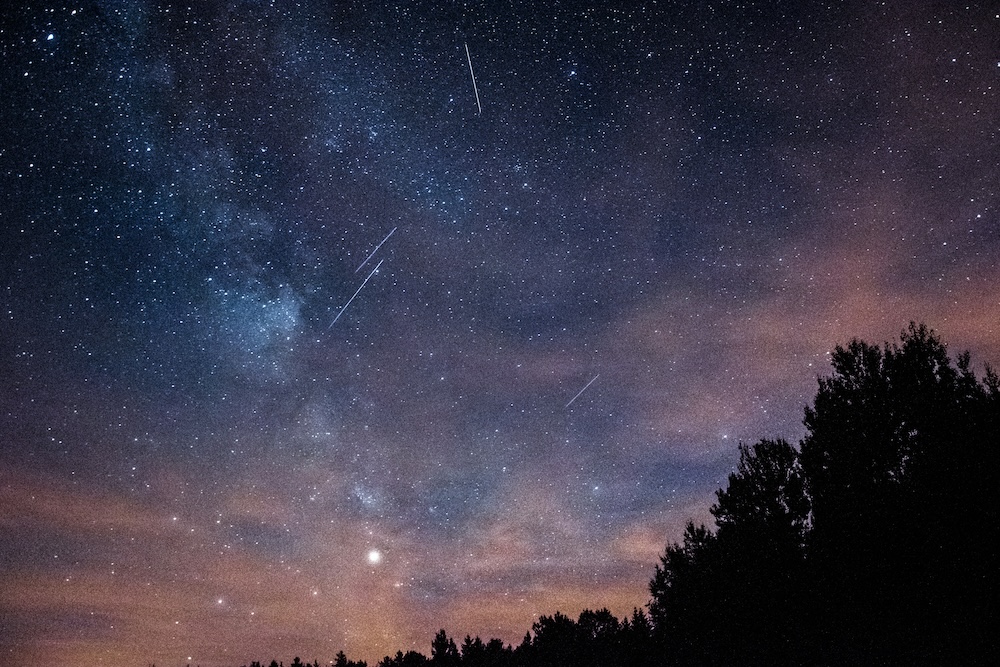
Stargazing Events in 2026
February 28 – Planetary Parade (6 planets)
On February 28, six planets lined up in the evening sky: Mercury, Venus, Neptune, Saturn, Uranus, and Jupiter. Four are visible to the naked eye in good conditions, while Uranus and Neptune need binoculars or a telescope.
Best viewing locations: anywhere with a wide-open horizon and low light pollution (Eagle’s Nest area in Calabogie; waterfront/open viewpoints around Collingwood).
March 3 – Total Lunar Eclipse (Blood Moon)
A total lunar eclipse happened in the early morning on March 3. In the Ottawa area, the eclipse peaked around 6:33 am, but the moon was very low and set shortly after, so an unobstructed western horizon was key.
April 21-22 – Lyrid Meteor Shower
The Lyrids are a classic spring meteor shower, and 2026 is a solid year for them with the moon only about 27% full at peak.
Best viewing locations: Griffith Uplands Trail (Calabogie) or the Bruce Trail area (near Collingwood).
May 5-6 – Eta Aquariid Meteor Shower (pretty, but moon will be bright)
The Eta Aquariids can be amazing (Halley’s Comet debris), but in 2026 the moon is about 84% full at peak, so you’ll want to get strategic (hide the moon behind trees/buildings, and focus on the darkest part of the sky).
Best viewing locations: Madawaska Nordic Trails area (Calabogie) or darker pockets around Pretty River Valley (Collingwood area).
May 31 – Full Blue Moon
A “Blue Moon” means a second full moon in a single month – and 2026 has one on May 31 (also giving 2026 a total of 13 full moons).
Best viewing locations: anywhere with an open view of the horizon – it’s a “big sky” moment.
June 8-9 – Venus and Jupiter Conjunction
On June 8-9, the two brightest planets, Venus and Jupiter, appear extremely close together (no telescope required).
Best viewing locations: Eagle’s Nest / high open lookouts (Calabogie) or Sunset Point Park-type viewpoints (Collingwood).
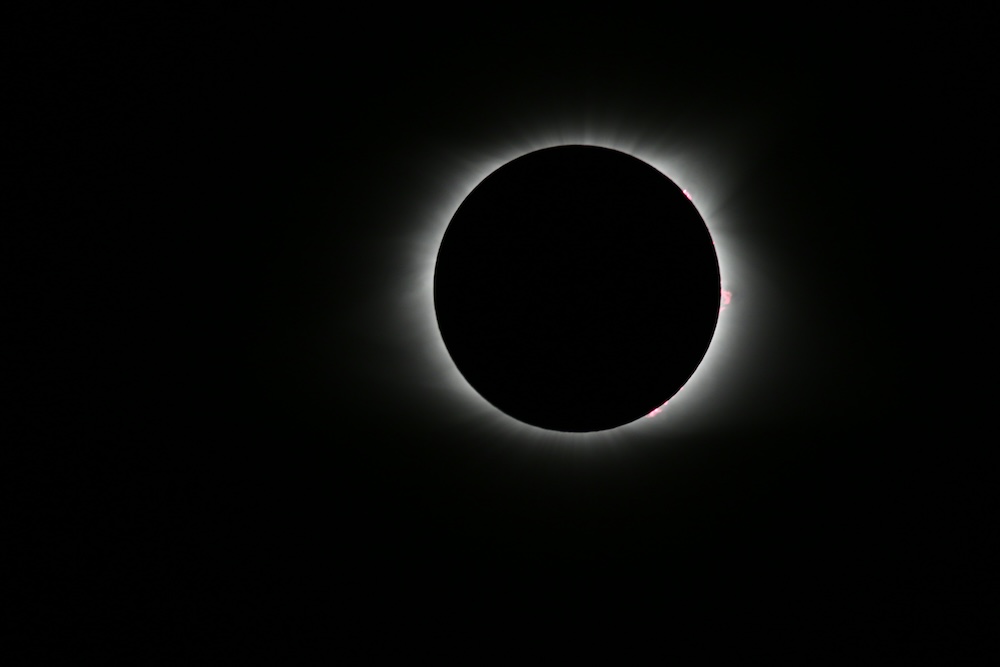
August 12 (midday) – Partial Solar Eclipse in Ontario
This is the big daytime one: Ontario gets a partial solar eclipse on August 12. Timing varies slightly by location, but for reference:
-
Ottawa area: begins about 12:49 pm, max about 1:42 pm, ends about 2:33 pm
-
Toronto area: begins about 12:55 pm, max about 1:40 pm, ends about 2:23 pm
Safety: only use proper eclipse glasses / solar viewers. No sunglasses. No “quick peek.”
Best viewing locations: any open space with clear skies and a safe viewer – parks, open fields, beaches.
August 12-13 (overnight) – Perseid Meteor Shower (excellent year)
Same date, totally different vibe: the Perseids peak August 12-13, and conditions are ideal because the moon is new (0% full). Expect a real show if the sky is clear.
Best viewing locations: Manitou Mountain / quieter rural pull-offs (Calabogie) or the Georgian Trail / darker countryside just outside Collingwood.
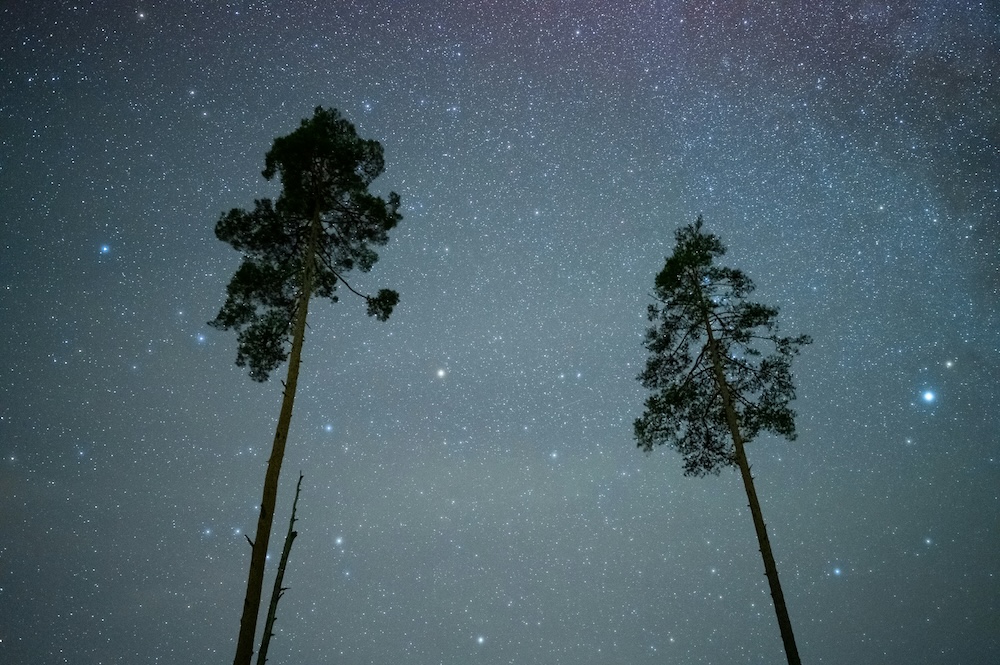
August 27-28 – Partial Lunar Eclipse (deep one)
Late summer brings a deep partial lunar eclipse overnight August 27-28. In the Toronto area it runs roughly 9:23 pm to 3:01 am, peaking around 12:12 am.
Best viewing locations: anywhere with a good view of the moon and low light pollution (and a blanket – it’s a late night).
November 16-17 – Leonid Meteor Shower
The Leonids are the famous “meteor storm” shower historically (though storms are rare). In 2026, the moon is around 45% full, so you’ll do best in the darkest possible spot after midnight.
Best viewing locations: darker trailheads / rural edges outside town in both Calabogie and Collingwood.
December 13-14 – Geminid Meteor Shower
The Geminids are the year’s closer – typically bright, colourful, and plentiful. In 2026 the moon is only 21% full, which is great.
Best viewing locations: Loon Lake Loop area (Calabogie) or Bruce Trail access points (near Collingwood).
Best Stargazing Spots in Calabogie & Collingwood
Finding a darker sky is half the battle. Here are easy go-to’s in each area:
Calabogie dark-sky go-to’s
-
Eagle’s Nest Lookout area (big open views)
-
Manitou Mountain Trail (quiet, low light)
-
Griffith Uplands Trail (great if you want fewer headlights)
Collingwood dark-sky go-to’s
-
Nottawasaga Lookout (wide-open sky)
-
Pretty River Valley area (darker, more tucked away)
-
Bruce Trail access points outside town (pick one away from main roads)
A few tips so you actually see meteors
-
Give your eyes 20 minutes to adjust (no phone screen if you can help it).
-
Dress warmer than you think. Always.
-
For meteor showers: face away from the moon and look up wide, not at one tiny spot.
-
If you’re only doing one night: go after midnight to pre-dawn for most showers.
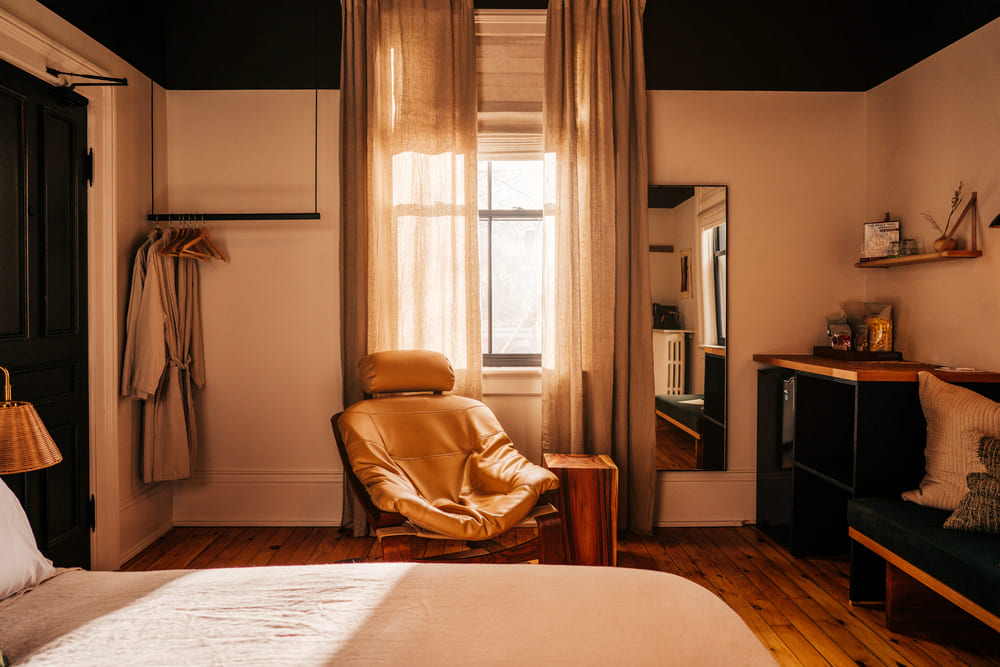
Make It a Getaway: Stay at Somewhere Inn
A night of stargazing is even better when you can return to a cozy, beautifully designed boutique hotel to unwind. Somewhere Inn Collingwood and Somewhere Inn Calabogie offer the perfect retreat after an evening under the stars. Enjoy luxurious king-sized beds, in-room soaker tubs, and unlimited access to the sauna and cold plunge to warm up after a night outside. Plus, both locations have their own wine bar, so you can toast to the universe after a night of celestial wonder.
Book your stay now and plan the ultimate 2026 stargazing adventure!